

Impact Report 2023-2025
How We Design Learning That Moves Founders From Intention To Action
Discover ASAP: our four-stage framework moving Black and Global Majority founders from Awareness through to Personalisation, helping intention become action.
Introduction
Across the UK, Black and Global Majority-led organisations are doing some of the most urgent and imaginative work in our communities.
They are tackling racial injustice, improving mental health and wellbeing, creating routes into employment, supporting young people, strengthening local economies, building cultural infrastructure, and responding to needs that mainstream institutions too often overlook.
But brilliant ideas and deep community trust are not always matched with the right support. Many of the founders and social entrepreneurs we work with are navigating structural barriers that limit their growth: underfunding, exclusion from networks, limited access to tailored business support, and the pressure of carrying their organisations with too little infrastructure.
That is why learning at Do it Now Now is not treated as a one-off workshop or a generic training offer. It is designed as a pathway.
Every programme we deliver is built around our ASAP methodology: Awareness, Self-Actualisation, Activation, and Personalisation. ASAP is our learning framework for helping Black and Global Majority changemakers understand where they are, build the confidence and skills they need, put learning into practice, and receive support that adapts to their real context.
It is not just a sequence. It is a cycle.
Real learning does not happen in a straight line. Founders reflect, test, adapt, grow, make mistakes, build confidence, and return to the work with new clarity. ASAP is designed to mirror that process.
Why ASAP Matters
Our Theory of Change is rooted in a simple belief: when Black and Global Majority changemakers have access to the right learning, networks, and support at the right stage of their journey, they build stronger organisations that transform their communities.
That belief shapes everything we do.
Across our programmes, we focus on three connected outcomes:
Access to learning: members gain skills in entrepreneurship, finance, governance, leadership, impact, and growth.
Organisational capacity: members build the systems, confidence, resilience, and infrastructure needed to scale sustainably.
Networks and visibility: members connect with peers, mentors, funders, partners, and institutions that can open doors.
The ASAP framework is how we translate those outcomes into practice. It gives structure to the learning journey while leaving enough flexibility for each founder and organisation to be met where they are.
That matters because our community is not one-dimensional. DiNN’s network includes early-stage founders, established CICs, long-standing charities, creative enterprises, youth organisations, wellbeing projects, sole traders, campaigners, and community anchors. Some are still shaping an idea. Others are preparing for social investment. Others are navigating risk, growth, governance, partnerships, or succession.
A one-size-fits-all learning model would not work for this ecosystem.
ASAP gives us a way to design learning that is rigorous but responsive, structured but human, and ambitious without ignoring the realities our members face.
The Four Stages of ASAP
Awareness: Knowing Where You Are
Every meaningful learning journey starts with awareness.
Before a founder can strengthen their organisation, they need a clear and honest understanding of where they are. What is working? What is fragile? What is missing? Where are they relying too heavily on instinct, goodwill, or founder energy? Where are there opportunities they have not yet had the capacity to explore?
In our programmes, awareness is created through cohort-based reflection, peer feedback, self-assessment, onboarding conversations, and Health Checks.
The Health Check is especially important. It is not an audit. It is a developmental tool that helps participants understand their organisational capacity across areas such as governance, administration, HR, finance, organisational management, programme management, and performance measurement. It creates a baseline, identifies gaps, and turns vague anxieties into practical priorities.
This matters because many founders know something is not working, but they may not have had the time, language, or support to name it.
A founder might know they are exhausted, but not yet see that the issue is founder dependency. An organisation might know it is struggling with income, but not yet have the tools to distinguish between a fundraising problem, a pricing problem, or a financial management problem. A team might know it needs to grow, but not yet have the HR systems, job descriptions, or governance structures to do so safely.
Awareness turns pressure into insight.
Across our programmes, this stage also happens collectively. Cohorts provide space for participants to challenge and support each other, learn from shared experiences, and realise they are not alone. For many members, this is the first time they have been in a learning environment where their context is understood without having to be over-explained.
That sense of recognition is powerful. It reduces isolation and creates the conditions for honest reflection.
Self-Actualisation: Building Skills, Confidence, and Possibility
Once participants understand where they are, the next step is helping them build the skills and confidence to move forward.
Self-Actualisation is about more than technical knowledge. It is about helping founders see themselves as capable of leading, growing, negotiating, applying, pitching, hiring, partnering, and planning at the next level.
For Black and Global Majority changemakers, this matters deeply. Many are already highly skilled, highly educated, and deeply experienced, but they have often had limited access to the networks, capital, and institutional confidence that others take for granted. Learning has to do more than transfer information. It has to rebuild confidence, strengthen decision-making, and affirm that their work deserves infrastructure.
That is why our programmes combine practical training with confidence-building.
Depending on the level of the programme, participants might learn about financial literacy, business viability, budgeting, governance, safeguarding, impact measurement, Theory of Change, pitching, social investment, systems and processes, HR, corporate partnerships, fundraising, or strategic growth.
The topics deepen as participants move through the levels. A Level 1 participant may be learning how to set goals, understand basic budgeting, build relationships, develop a brand, and speak confidently about their idea. A Level 3 participant may be developing a business model, diversifying income, strengthening governance, and building a partnerships strategy. A Level 5 participant may be working through strategic partnerships, wellbeing, advocacy, investment readiness, succession, risk, and long-term sustainability.
The principle is the same at every stage: learning should be relevant to the participant’s current reality and ambitious enough to prepare them for what comes next.
But the real measure of Self-Actualisation is not whether someone has attended a session. It is whether they leave believing they can act differently.
As one participant reflected:
“The training sessions were exactly what I needed. I came in with an idea, and I left with a plan, and the confidence to execute it.”
That is the heart of Self-Actualisation: turning knowledge into belief, and belief into readiness.
Activation: Putting Learning into Practice
Learning only matters if participants can use it.
That is why Activation is central to the ASAP approach. Our programmes are designed as testing grounds where participants can apply what they are learning in real time, troubleshoot challenges, receive feedback, and adjust their approach before the programme ends.
This is where workshops connect with action.
A participant does not just learn about budgeting; they begin to build a budget. They do not just hear about partnership development; they map potential partners and practise how to approach them. They do not just discuss impact measurement; they start thinking about what evidence they need to collect. They do not just learn about pitching; they practise explaining their work to funders, partners, or peers.
Activation is supported through practical exercises, case studies, worksheets, peer discussion, live feedback, demo days, office hours, and one-to-one Critical Friend support.
Critical Friends are a core part of the model. They are not traditional mentors who simply offer encouragement. They are experienced professionals who work alongside participants to challenge assumptions, ask sharper questions, provide accountability, and help translate learning into decisions.
As one Critical Friend reflected:
“What strikes me most is the depth of commitment and vision in the people I work with. They are already doing the work, my role is to help them see the path forward more clearly, to challenge assumptions, and to ensure they have the tools and confidence to take the next step.”
This is especially important because founders often know what they need to do, but lack the time, confidence, or external sounding board to do it. A Critical Friend can help a participant move from “I know I need better systems” to “Here are the three systems I need to build first.” They can help turn a broad ambition into an action plan.
As one participant put it:
“My Critical Friend helped me see things I had been avoiding. She didn’t tell me what to do, she asked the right questions, and the answers were already in me.”
Activation is where learning becomes organisational change.
It is the difference between understanding financial sustainability and building a fundraising pipeline. The difference between knowing partnerships matter and forming new institutional relationships. The difference between wanting to grow and having the systems to do so.
Personalisation: Adapting Support to Real Lives and Real Organisations
The final part of ASAP is Personalisation.
This is what prevents our learning model from becoming generic. We know that two founders can attend the same workshop and need completely different kinds of support afterwards. One may need help registering a business. Another may need to refine their pricing. Another may need to strengthen governance. Another may be managing burnout, caring responsibilities, neurodivergence, or the emotional weight of lived-experience leadership.
Personalisation means adapting programmes to individual and cohort needs through co-design, regular check-ins, responsive content, tailored one-to-one support, and ongoing feedback.
It also means matching members with specialists whose expertise aligns with their needs, whether that is finance, governance, marketing, safeguarding, HR, social investment, or impact measurement. Support can be virtual or in person, depending on what works best for the member. Crucially, it is not limited to the formal workshop space. Members can access guidance as their projects evolve and as new challenges emerge.
This is where the ASAP cycle becomes most visible. Awareness reveals the gap. Self-Actualisation builds the confidence to address it. Activation turns learning into practice. Personalisation ensures the support fits the person, the organisation, and the moment.
Personalisation also reflects our commitment to accessibility and inclusion. Our community includes people across different ages, income levels, regions, educational backgrounds, gender identities, sexual orientations, and disability or neurodivergence experiences. Designing for this community requires flexibility, not assumptions.
The learning environment must be clear, practical, culturally competent, and responsive enough to meet people as whole humans, not just as organisational representatives.
As one participant said of the training environment:
“The facilitators were incredible. They didn’t just deliver content, they created a space where I felt safe to ask questions, to be honest about what I didn’t know, and to learn from others.”
That is what Personalisation makes possible: a learning experience that is not only useful, but safe enough for honesty and ambitious enough for growth.
How ASAP Works Across Levels 1–5
ASAP is the learning philosophy. Our Level-Based Programme model is the progression pathway.
Across Levels 1–5, every programme at Do it Now Now is built around a consistent structure: cohort-based training sessions that provide a shared foundation of knowledge, followed by specialist one-to-one support that allows participants to apply learning to their specific context.
The topics covered are tailored to each level, but there is deliberate overlap. Skills such as financial management, systems thinking, governance, and impact measurement appear across multiple stages. What changes is the depth, complexity, and application.
A Level 1 participant may learn the basics of budgeting. A Level 5 participant may learn how to structure a multi-year investment case or negotiate around assets, risk, and sustainability.
Level 1: Starting Up, Starting Out
At Level 1, the focus is on helping founders move from idea to action. Core training topics include setting goals and milestones, financial foundations, tools and resources, marketing and branding basics, building relationships and networks, and pitching and public speaking.
This level is about giving early-stage founders the confidence, language, and structure to take their first steps.
Level 2: Build Hustle Grow
At Level 2, participants are often moving from informal activity into more structured delivery. Core training topics include building financial sustainability, strengthening organisational capacity through finance, expanding networks and influence, wellbeing and mental health, advocacy and systems change, impact measurement and Theory of Change, systems and processes, teambuilding and HR, safeguarding, and governance.
This level helps founders move from doing everything themselves to building stronger organisational foundations.
Level 3: Innovate Now
At Level 3, organisations usually have a track record, some revenue, and evidence of demand, but may still be dependent on grants or founder energy. Core training topics include business viability assessment and modelling, systems and processes, financial management, corporate sponsorship, financial sustainability, income diversification, safeguarding and governance, impact measurement and Theory of Change, and building an investment case.
This level supports organisations to move from delivery to sustainability.
Level 4: Make it Big
At Level 4, the focus shifts towards growth, commercial clarity, and investment readiness. Core training topics include business viability assessment and modelling, systems and processes, financial management, fundraising and social investment, and preparing for fundraising and social investment.
This level helps organisations refine their strategy, strengthen their financial models, and prepare for more complex funding and investment conversations.
Level 5: Big Business
At Level 5, organisations are often more mature, with significant reach and experience. Their challenges may involve strategic partnerships, assets, governance, leadership influence, wellbeing, advocacy, succession, systems change, and long-term sustainability.
Core training includes peer group sessions, virtual retreats focused on wellbeing and advocacy, and strategic partnership development.
This level supports organisations to operate with greater clarity, influence, and resilience.
How We Deliver Learning
Across the levels, cohort training sessions are typically delivered over six to eight weeks. They combine:
Live workshops that are interactive and led by expert facilitators.
Case studies drawn from real-world examples, including Black-led organisations.
Worksheets and exercises that help participants apply learning in real time.
Peer discussion through breakout rooms and group activities.
Reflection and feedback so participants can process learning and identify next steps.
This structure matters because founders do not simply need information. They need space to apply it, test it, question it, and translate it into their own context.
The cohort model also creates a shared foundation. Participants learn alongside people facing similar challenges, but from different sectors, business models, and lived experiences. That mix creates perspective. It helps people see that their challenges are not personal failures, but often predictable stages in the journey of building a social enterprise.
The combination of cohort learning and one-to-one support is deliberate:
Cohorts create community.
Workshops build knowledge.
Exercises turn knowledge into tools.
Critical Friends turn tools into decisions.
Reflection turns decisions into learning.
Together, they make ASAP practical.
How We Protect Quality: CPD-Accredited Learning
Our learning model is grounded in lived experience and cultural relevance, but it is also professionally structured.
At Do it Now Now, every training session we deliver is designed to meet high standards of professional development. That is why we are an accredited member of the CPD Certification Service, the UK’s independent accreditation body for continuing professional development.
CPD accreditation is not just a badge. It is a promise that our training is:
Structured: with clear learning objectives, outcomes, and assessment.
Relevant: designed to meet the real needs of Black and Global Majority changemakers.
Rigorous: subject to independent review against recognised standards.
Every course we develop follows a structured process. Courses are designed in line with DiNN’s Theory of Change and Universal Design for Learning principles. Materials such as session plans, slide decks, handouts, and feedback forms are reviewed internally before being submitted to the CPD Certification Service for independent assessment. Assessor feedback is reviewed and revisions are made quickly, before approved courses are added to our Active CPD Register. Courses are then reviewed annually to ensure continued compliance.
For participants, CPD accreditation offers recognition, relevance, and transferability. It gives them a certificate they can add to their portfolio, training that has been independently assessed for quality and value, and learning that contributes to their professional development goals, whether they are building a business, growing a charity, or advancing their career.
As one participant shared:
“Having a CPD certificate means something to funders and partners. It shows that the learning I received is credible, structured, and recognised.”
For DiNN, CPD accreditation strengthens the integrity of ASAP. It ensures that our learning is not only responsive and relational, but also robust.
Who Delivers the Learning
The quality of ASAP depends not only on what is taught, but on who teaches it.
Our trainers are experts in their fields: practitioners, academics, consultants, and specialists with deep experience in the topics they teach. But expertise alone is not enough.
Every trainer must also demonstrate commitment to our mission, strong facilitation skills, and cultural competency. They must be able to create engaging, inclusive, and accessible learning environments. They must understand the contexts and experiences of our members. They must be able to speak with participants, not at them.
As one participant reflected:
“It was clear that the trainers understood our context. They didn’t speak at us; they spoke with us.”
This distinction matters.
Black and Global Majority changemakers are often required to learn in spaces that do not understand their context, their barriers, or their ambition. DiNN’s learning environment is designed differently. It combines technical expertise with cultural understanding, emotional intelligence, and practical application.
That is what makes the learning stick.
What ASAP Makes Possible
The strength of the ASAP model is that it connects personal growth with organisational development.
Participants become more confident, but they also build systems. They gain skills, but they also form partnerships. They feel less isolated, but they also secure funding, register businesses, grow teams, and improve their impact.
Across DiNN’s programmes, the wider evidence shows this movement clearly. Participants have reported increased confidence, stronger financial management, new partnerships, expanded teams, increased community impact, new grant funding, and, in some cases, social investment.
In Level 1–3 programmes, entrepreneurial confidence rose significantly, and among participants who were at planning stage before joining, many moved from intention into action. In Level 3–5 programmes, organisations reported new partnerships, stronger funding outcomes, team growth, and increased community impact.
These are not just outputs. They are signs of movement: from intention to action, from isolation to collaboration, and from fragility to resilience.
ASAP helps create that movement because it meets founders at the point where learning becomes useful: not in theory, but in the lived reality of running, growing, and sustaining a social enterprise.
A Framework Built With Care
ASAP is more than a learning methodology. It is a statement about how we believe support should be designed.
It says that Black and Global Majority changemakers deserve learning that is thoughtful, evidence-based, culturally relevant, and practical. It says that capacity building is not a luxury or an add-on; it is equity work. It says that lived-experience leaders should not be expected to build transformative organisations while being denied the systems, networks, and resources that make transformation sustainable.
The framework also reflects how DiNN works as a whole.
Our programmes are level-based, so support matches the stage of the organisation. Our Health Checks provide honest diagnosis. Our workshops build technical and strategic skills. Our Critical Friends provide tailored accountability. Our CPD standards protect quality. Our alumni network ensures learning continues. Our lived-experience governance keeps the model grounded in the realities of the people we serve.
Together, these elements create more than a programme.
They create a learning ecosystem.
From Learning to Lasting Change
The founders and organisations in our community are not short of ideas. They are not short of commitment. They are not short of ambition.
What they need, and what the sector too often fails to provide, is the right support at the right time: support that helps them understand where they are, build confidence in what they can become, apply learning in real conditions, and receive guidance that adapts to their context.
That is what ASAP is designed to do.
Through Awareness, participants gain clarity.
Through Self-Actualisation, they build confidence and skill.
Through Activation, they turn learning into practice.
Through Personalisation, they receive support that fits their journey.
And through the cycle as a whole, Black and Global Majority changemakers are better equipped to build organisations that are not only inspiring, but sustainable, resilient, and ready to grow.
Because learning is not the end goal.
The goal is stronger founders, stronger organisations, and stronger communities.

Read More of the Impact Report 2023-2025
-
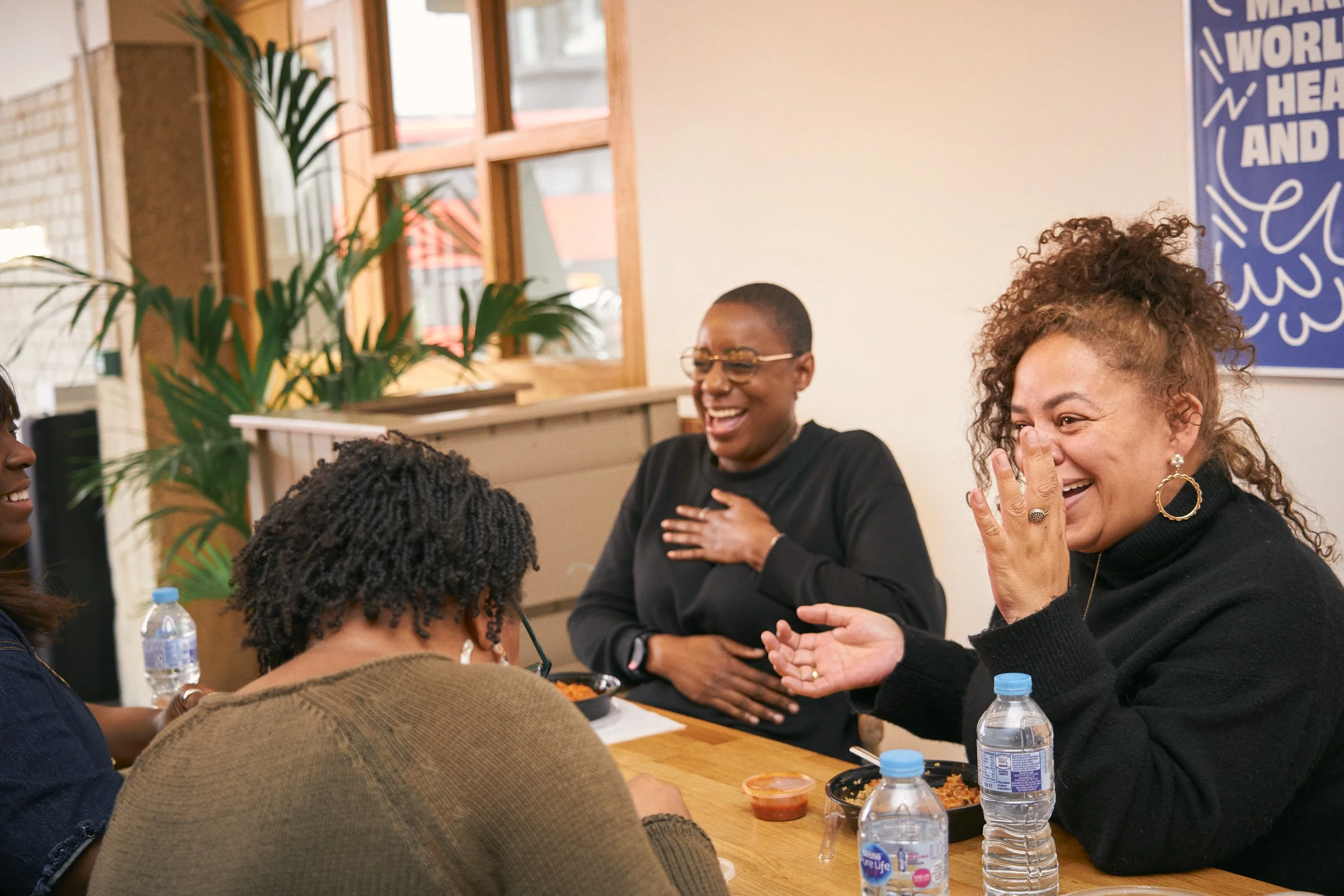
Community at a Glance
In 2025, our community grew to 2,450 members across the UK, with Black and Global Majority-led organisations at the heart of everything we do. From £2.65 million in grants disbursed to leadership confidence nearly doubling, see the data behind our growing impact.
-

Theory of Change
Our Theory of Change starts with a simple belief: when Black and Global Majority changemakers get the right support at the right stage, they build organisations that transform communities. Discover the five-level system behind DiNN's programmes, and the data proving it works.
-
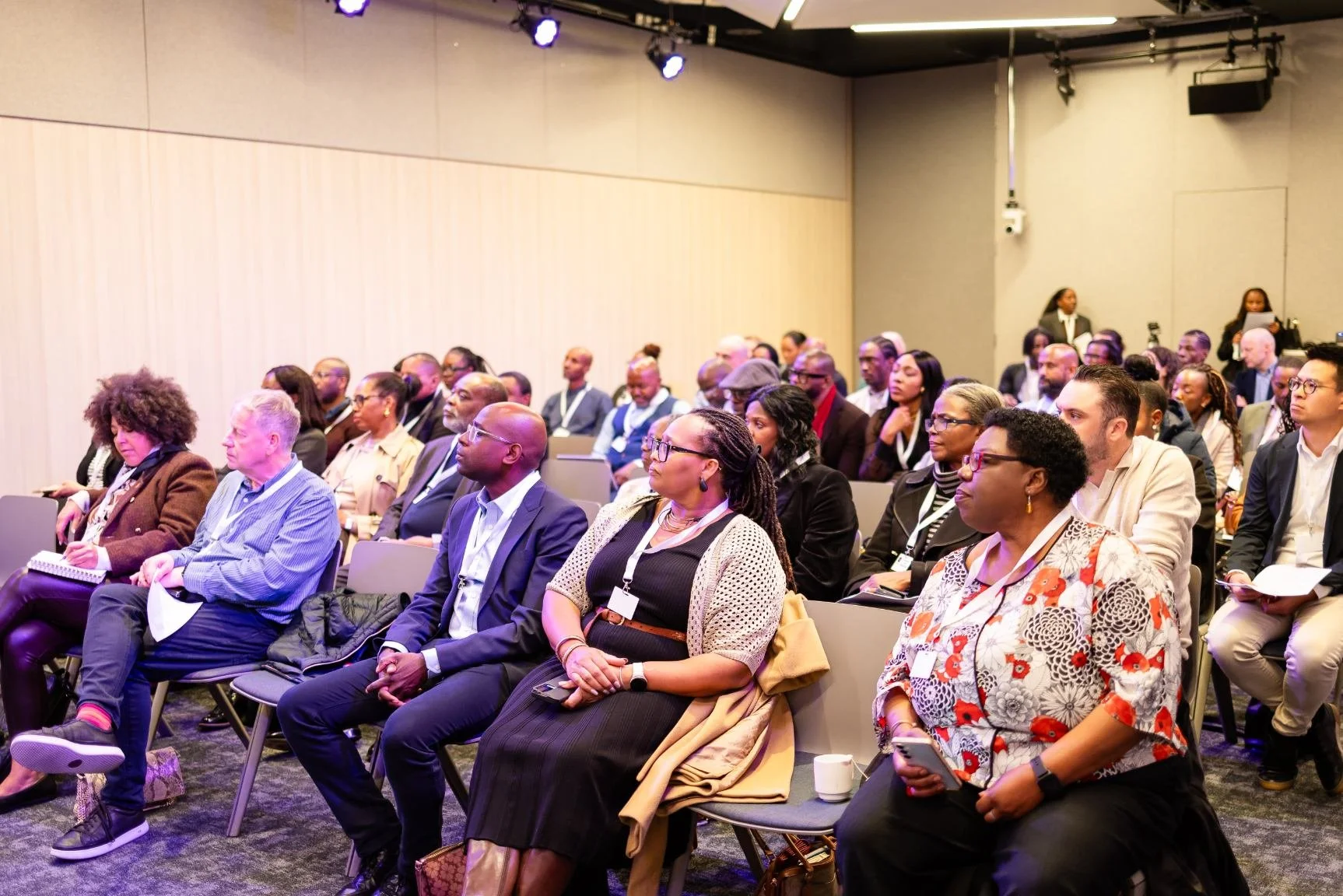
How Do it Now Now Keeps Lived Experience at the Centre
Our legitimacy doesn't come from good intentions alone. Meet the Community Advisory Board members, entrepreneurs, therapists, strategists, and alumni, who shape how Do it Now Now governs, decides, and stays accountable to the communities we serve.
-

How We Design Learning That Moves Founders From Intention To Action
Discover ASAP: our four-stage framework moving Black and Global Majority founders from Awareness through to Personalisation, helping intention become action.
-
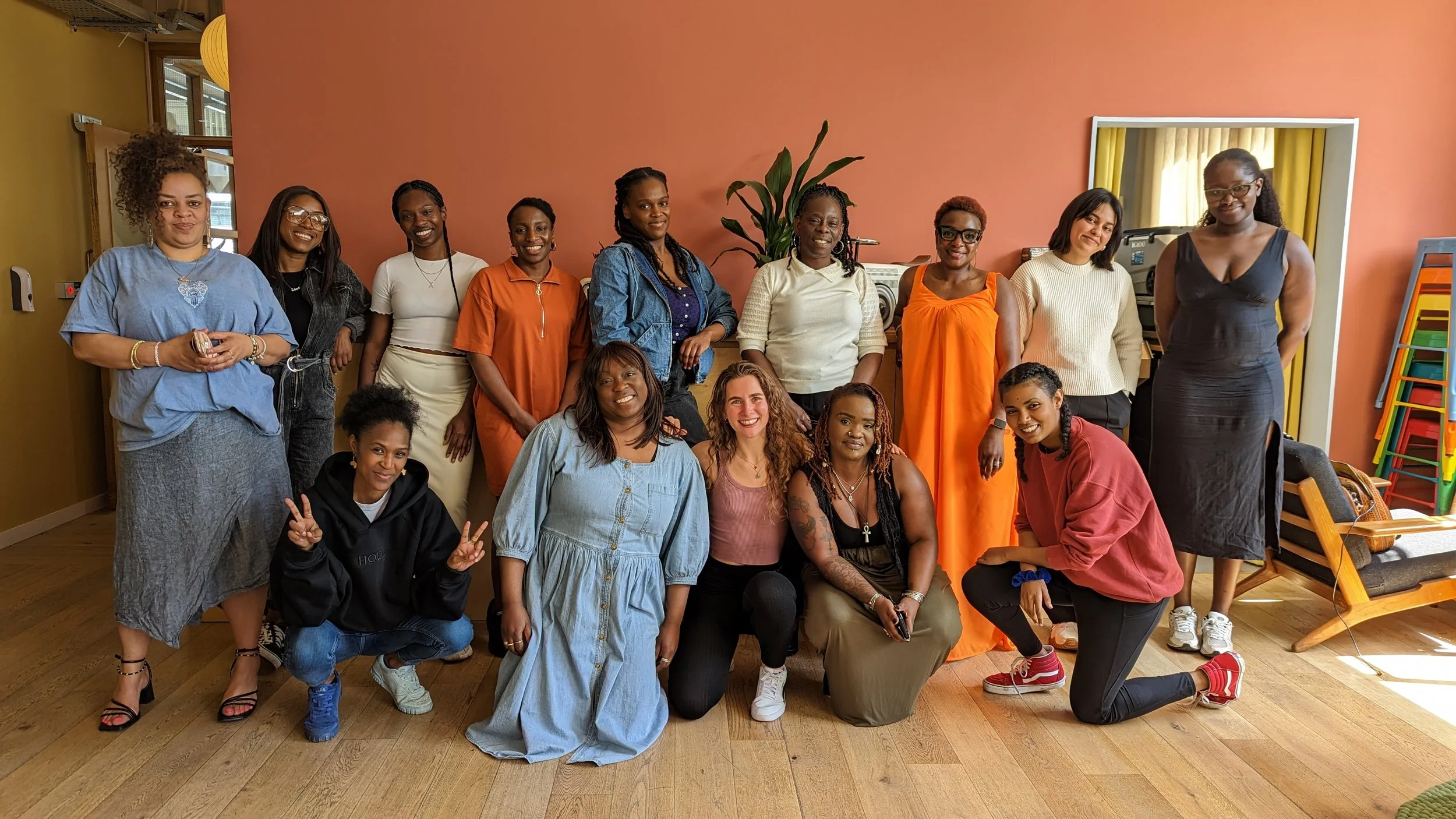
Online Community and Alumni Support: Beyond the Programme
The end of a programme doesn't have to be a cliff edge. From lifetime access to training libraries to alumni dinners and peer-led workshops, discover how Do it Now Now keeps its community connected, learning, and growing long after the final session.
-
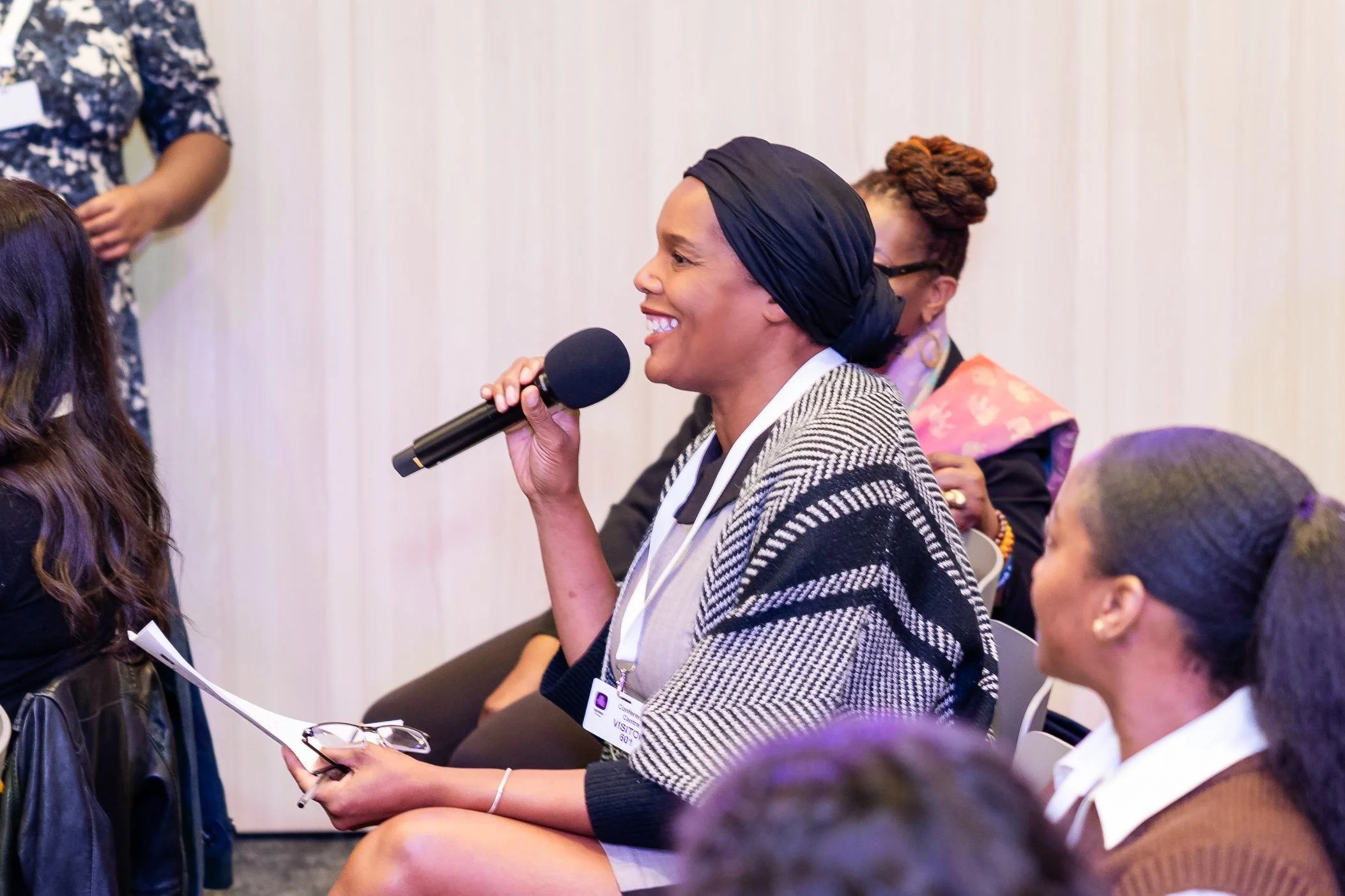
From Seed to Scale: What Five Founder Journeys Teach Us About Building Sustainable Social Enterprises
From a solo sip-and-paint business to a parkour gym facing an existential lease crisis, see how DiNN's Level-Based Programmes meet social entrepreneurs where they are, and help them build what lasts.
-
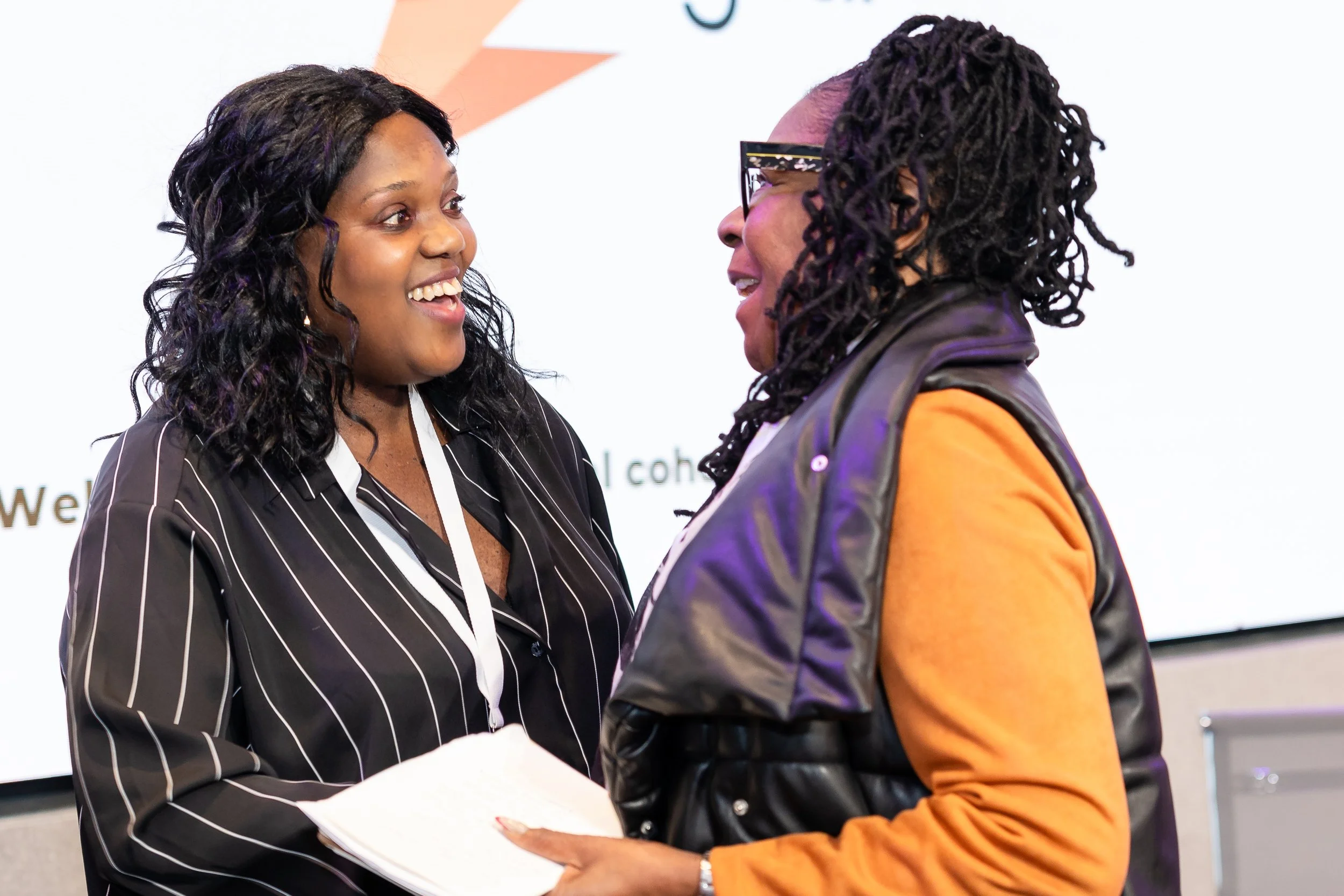
From Fragility to Resilience: What Our Health Checks Reveal
Every organisation we work with completes a developmental Health Check, first at baseline, then months later. Across 64 organisations in our Innovate Now programme, scores rose with significant gains in governance, finance, and community impact.
-
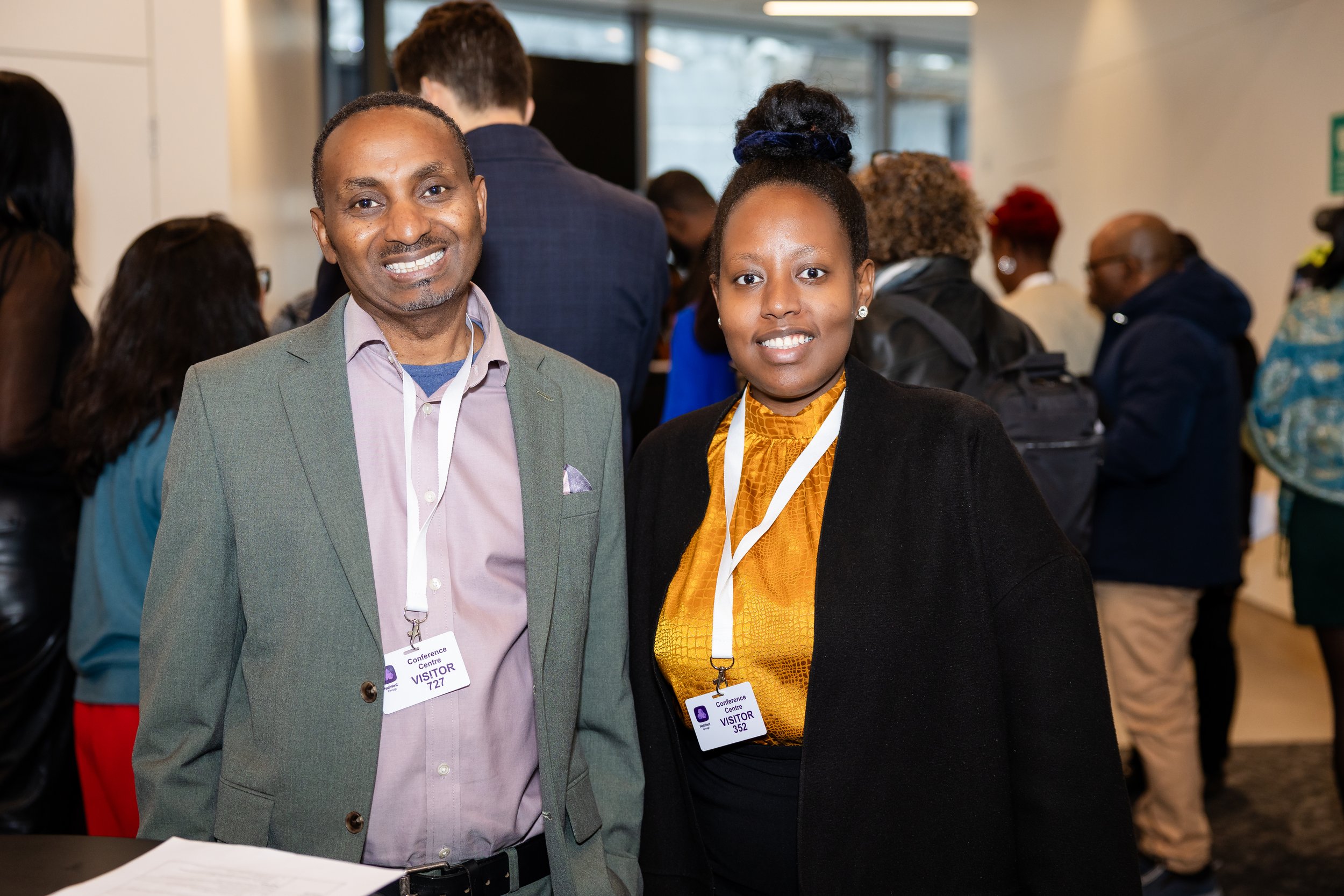
The Evidence for Impact: How DiNN Programmes Turn Learning into Outcomes
A strong programme leaves people encouraged and equipped to act. See the data behind DiNN's outcomes, tracking how confidence, partnerships, and funding shift for participants in the months after they complete a programme.
-
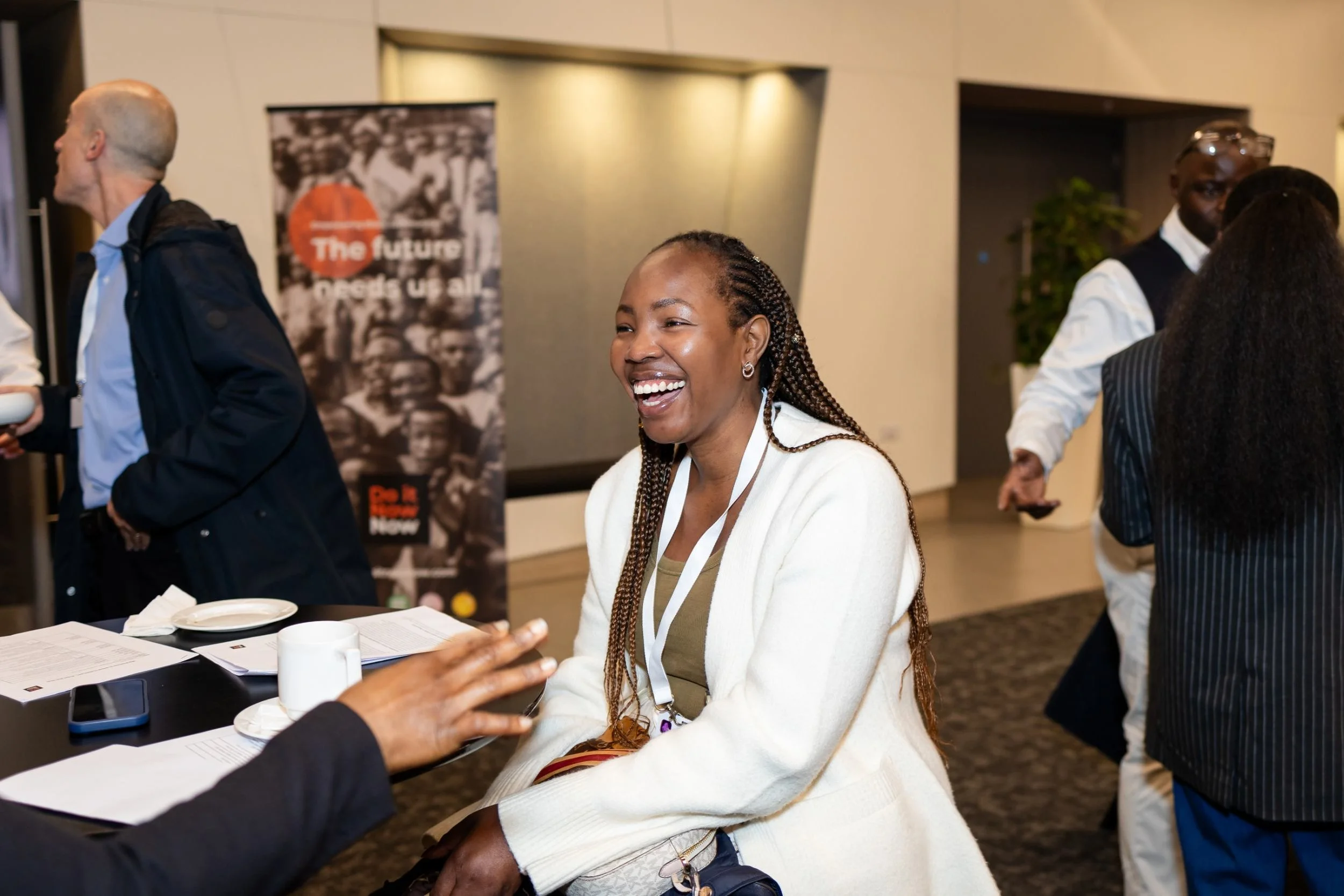
Why The Journey Does Not End When a Programme Finishes
Support rarely arrives as one clean intervention. It's a Health Check here, a grant there, a mentoring session somewhere else. Meet Carib Eats, MEM Academy, and Youth League UK, three founders whose journeys show what happens when support becomes a connected pathway instead.
-
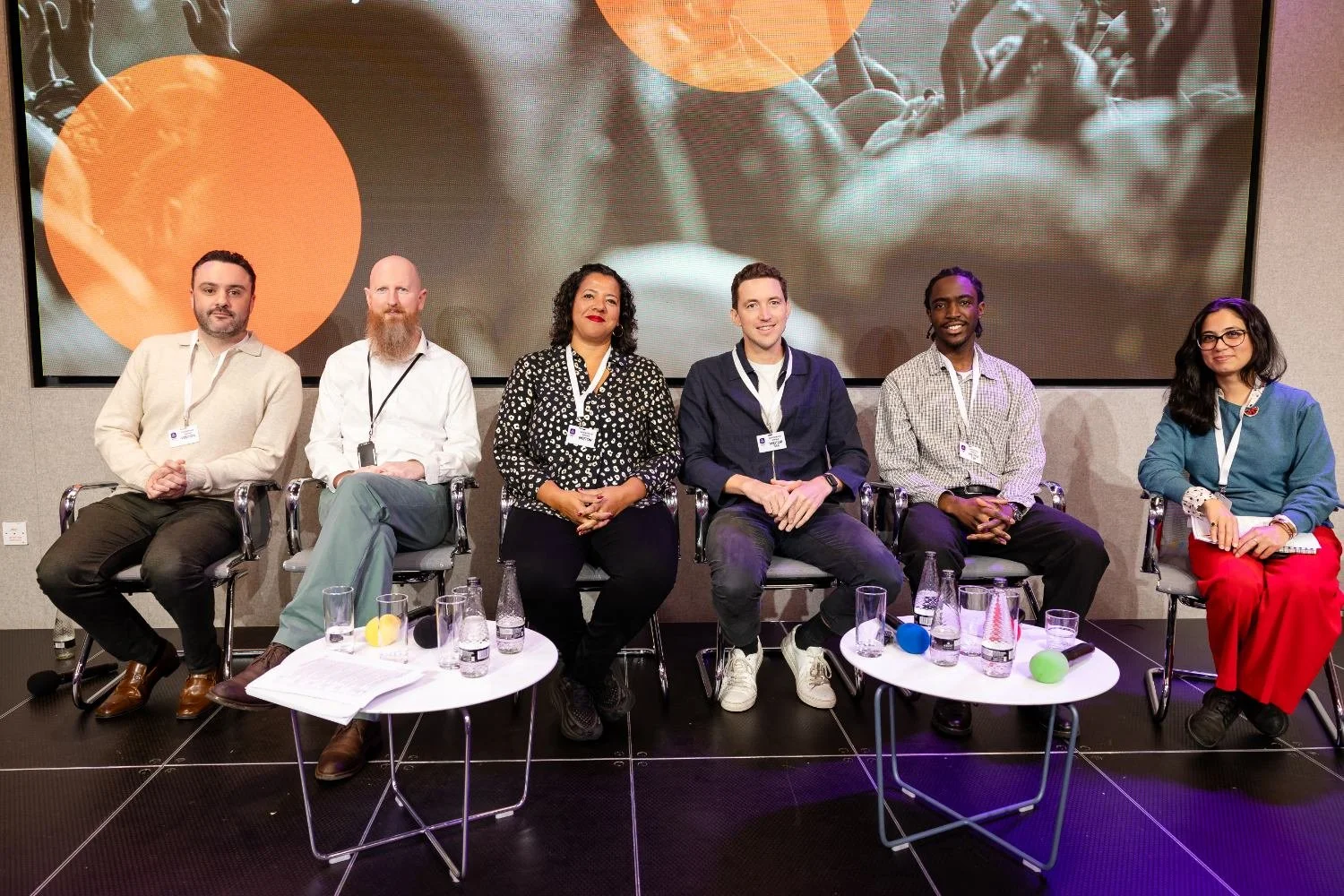
Partnering to Build Better Pathways to Black and Global Majority-Led Change
Funders like City Bridge Foundation, Wellcome Trust, and Esmee Fairbairn Foundation partner with DiNN because reaching Black and Global Majority-led organisations well takes more than money, it takes lived experience, care, and evidence-based design.
-
How We Are Solving the Gaps That Stop Black and Global Majority-Led Organisations from Growing
Black and Global Majority-led organisations aren't short on talent or community trust. What's missing is infrastructure: the funding pathways, investment readiness, and civic support that turn good work into lasting impact. Here's where those gaps are, and how DiNN is built to close them.
-

List of Grantees
From grassroots youth groups to climate initiatives, arts collectives to health-focused CICs, see the full list of Black and Global Majority-led organisations we've supported since 2023, a snapshot of the ecosystem we're helping to build.
Join DiNN Community
DiNN Community is a safe and intentional online platform available to all Black individuals and leaders wanting to access resources, network, and share research and lived experiences.

Get in touch with Ozias for more
information
Want to get more involved, ask a question, or share some ideas? Feel free to get in touch.