From surviving on passion to building sustainable impact: the journey of 1000 Black Boys
A mission born from pain
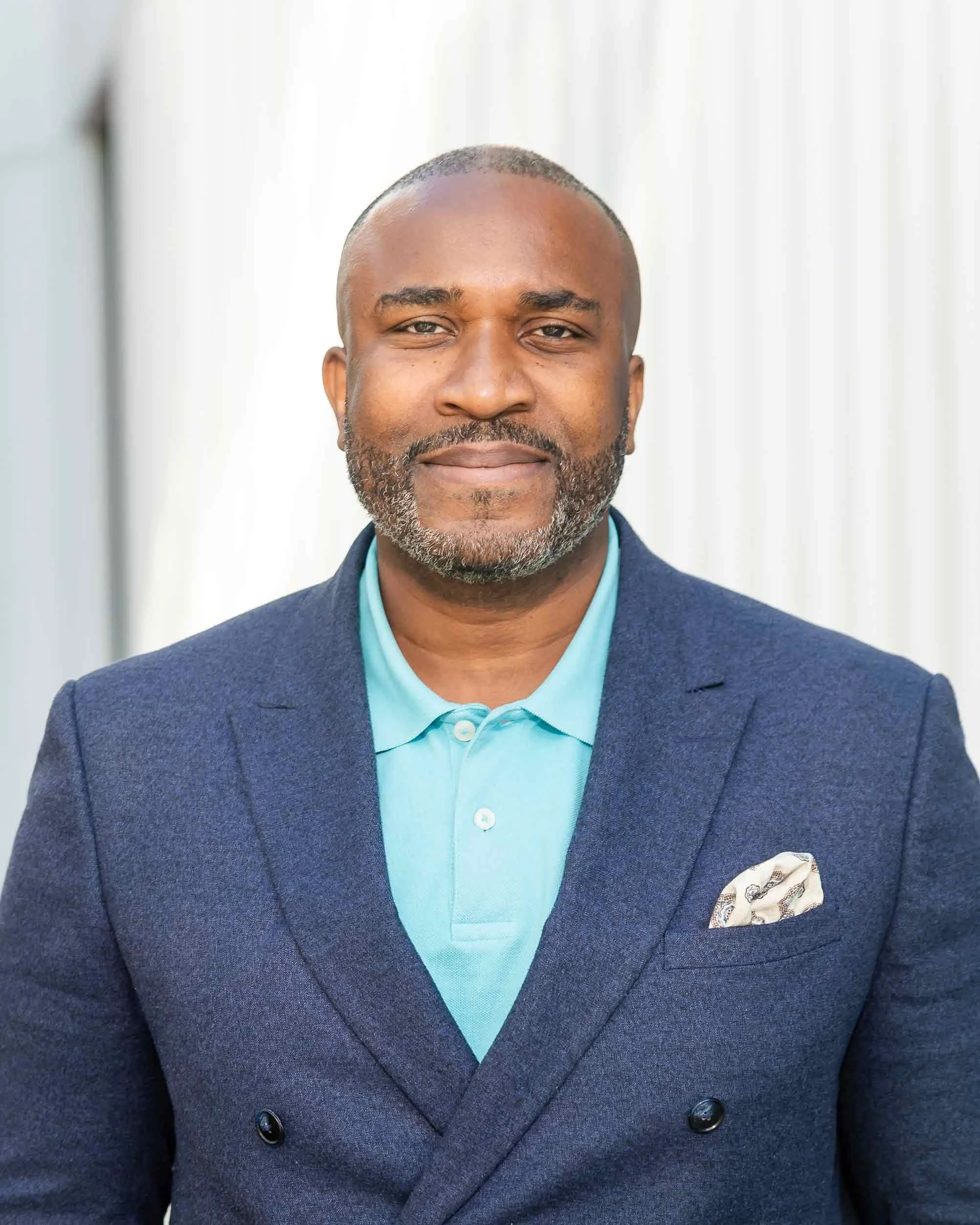
When Ademola Adeyeba first applied to DiNN’s Level 3, Innovate Now with City Bridge Foundation, he was already a powerful storyteller. A Black African male who had turned his trauma into a mission: “We exist to inspire Black boys and young Black men to unleash their potential and live a life of purpose.”
But 1000 Black Boys was a classic “passion‑first” organisation. It had glowing testimonials, a waiting list, and a founder who could move a room. What it needed was a sustainable business model that could take it beyond the strenghts the founder had already built.
DiNN’s first step was a health check. It confirmed the CIC’s strengths, a clear, lived‑experience‑led mission and deep community trust, but also raised common pitfalls in strategic planning, and monitoring. The health check wasn’t a verdict. It was a shared diagnosis that shaped everything that followed.
Learning to build, not just to deliver
Over several months, 1000 Black Boys received a sequenced bundle of support. Cohort workshops covered business viability, systems, financial management, and fundraising for social investment. Ademola particularly valued the session on approaching corporates for revenue and the Business Model Canvas, a framework he had never encountered before. “The accountability structure is really, really good,” he said. “It keeps us engaged as entrepreneurs.”
Between workshops, he met one‑to‑one with his Critical Friend, Irene Brew‑Riverson. They drilled into sustainable funding, product‑market fit, and financial strategy. By the final session, Irene had helped him complete a business plan and an action plan, both of which were formally approved.
Proof in the boys’ own stories
The impact on young people was tangible. Across five cohorts, 19 participants achieved a 95% completion rate. 83% reported increased confidence, and 94% had greater clarity on life goals. One 11‑year‑old declared he wanted to be a barrister and got to wear a wig and gown at the awards ceremony. A 19‑year‑old launched his own podcast. Two young men secured places on a six‑month bioscience mentorship scheme.
Organisationally, the CIC now has a five‑year plan, a business model canvas, and a Critical Friend they plan to retain for coaching. Ademola is exploring automation tools and has completed a Google programme on AI. He is bringing in a freelancer to systematise operations. And he has identified the next big goal: capacity‑building revenue that will allow him to step out of day‑to‑day delivery and into strategic growth.
“People love what we do, but they often just give us project funding. That’s very short‑term. We need medium‑ to long‑term grants that build infrastructure.”
1000 Black Boys entered Level 3 with passion and a waiting list, but without the systems or business plan to scale. By the end, Ademola had moved from “I am the organisation” to “we need a team, systems, and a five‑year plan.” The same man who once ran away from home was now standing in City Hall, speaking next to the Deputy Mayor of London for Business, turning his own survival into a blueprint for hundreds of young Black boys.