
Building the infrastructure Black researchers deserve: inside the Innovate Now with Wellcome retreat
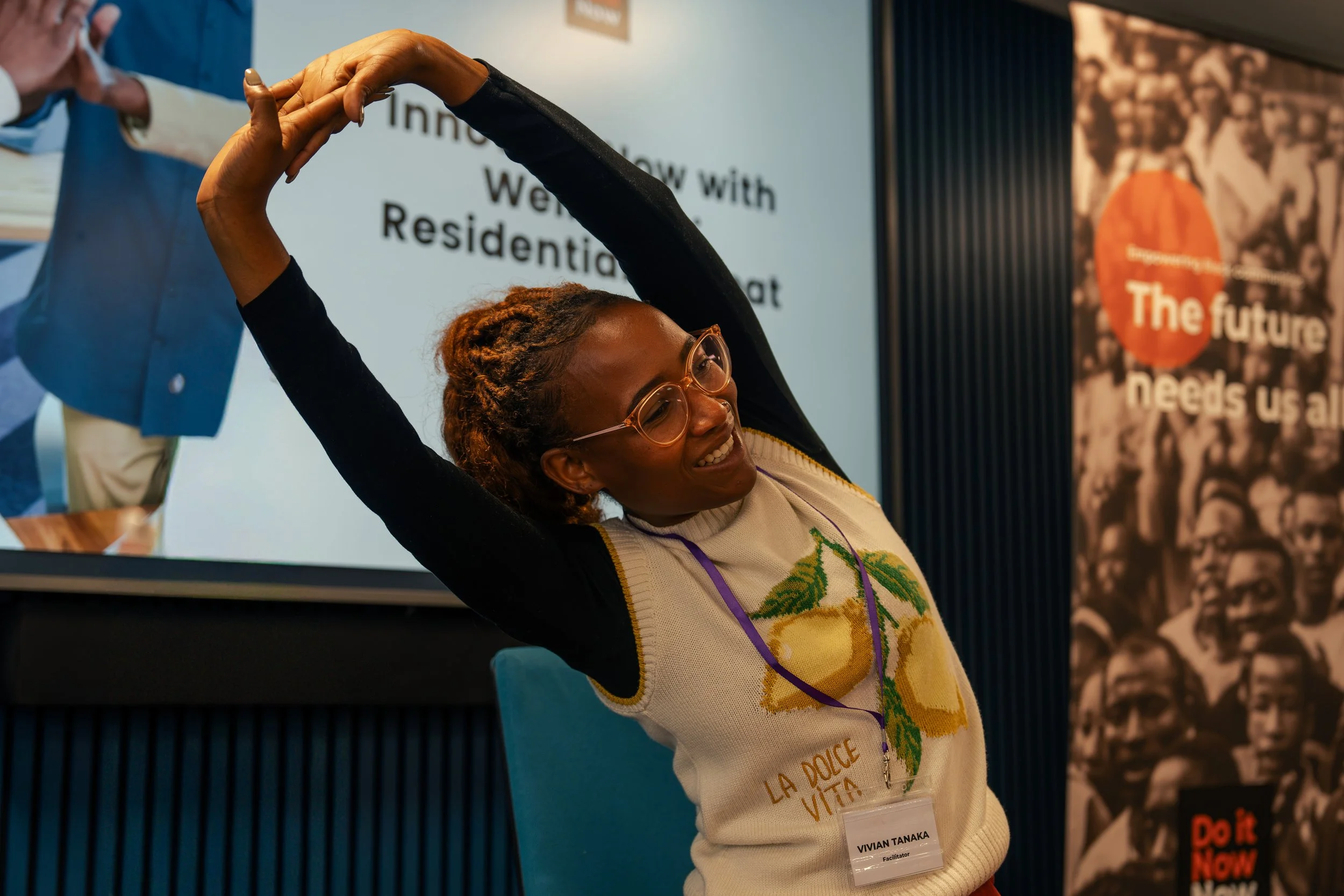
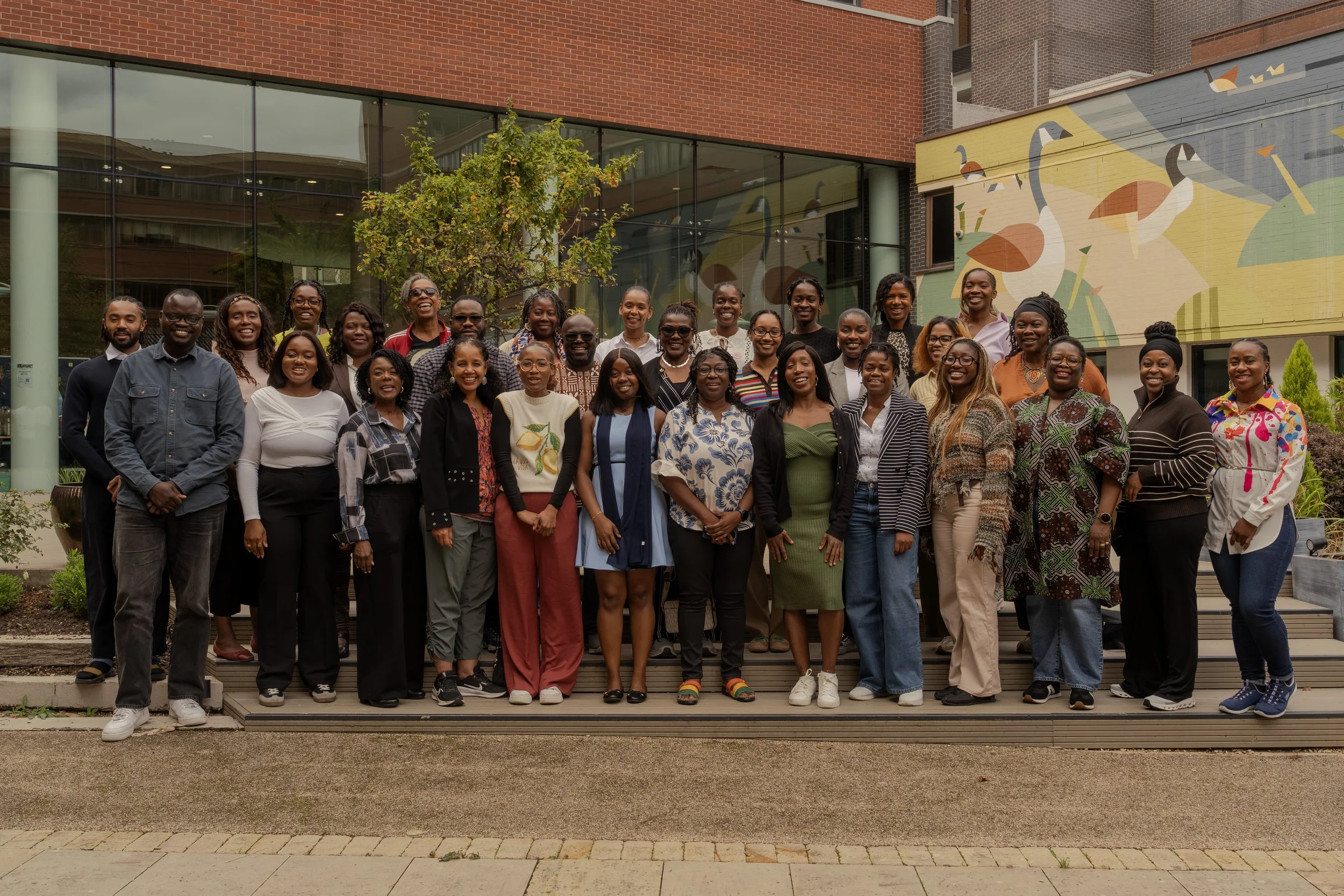
In September, we brought together the first cohort of Innovate Now with Wellcome for the programme’s inaugural leadership retreat.
The retreat marked the beginning of something we think is particularly important about this programme.
Innovate Now with Wellcome is not only about funding activity. It is about strengthening the Black-led infrastructure that already exists around Black researchers; the networks, communities, mentoring spaces, wellbeing initiatives and organisations that researchers turn to for support, often long before an institution recognises that support is needed.
Our Round 1 cohort reflects that ambition. The organisations we have funded are embedded directly within Black researcher communities across the UK. Some began as networks of Black PhD students. Others grew from groups of Black academics trying to create the professional and emotional support they could not find elsewhere. Some focus on particular disciplines or career stages; others have built communities across institutions and fields.
What connects them is proximity.
They understand the experiences of Black researchers because they are part of those communities. Their work has been shaped by the people they support, by lived experience and, frequently, by gaps that their founders and leaders encountered themselves.
That made the question at the centre of our September retreat particularly important:
How do we help community-rooted work become sustainable without losing what made it valuable in the first place?
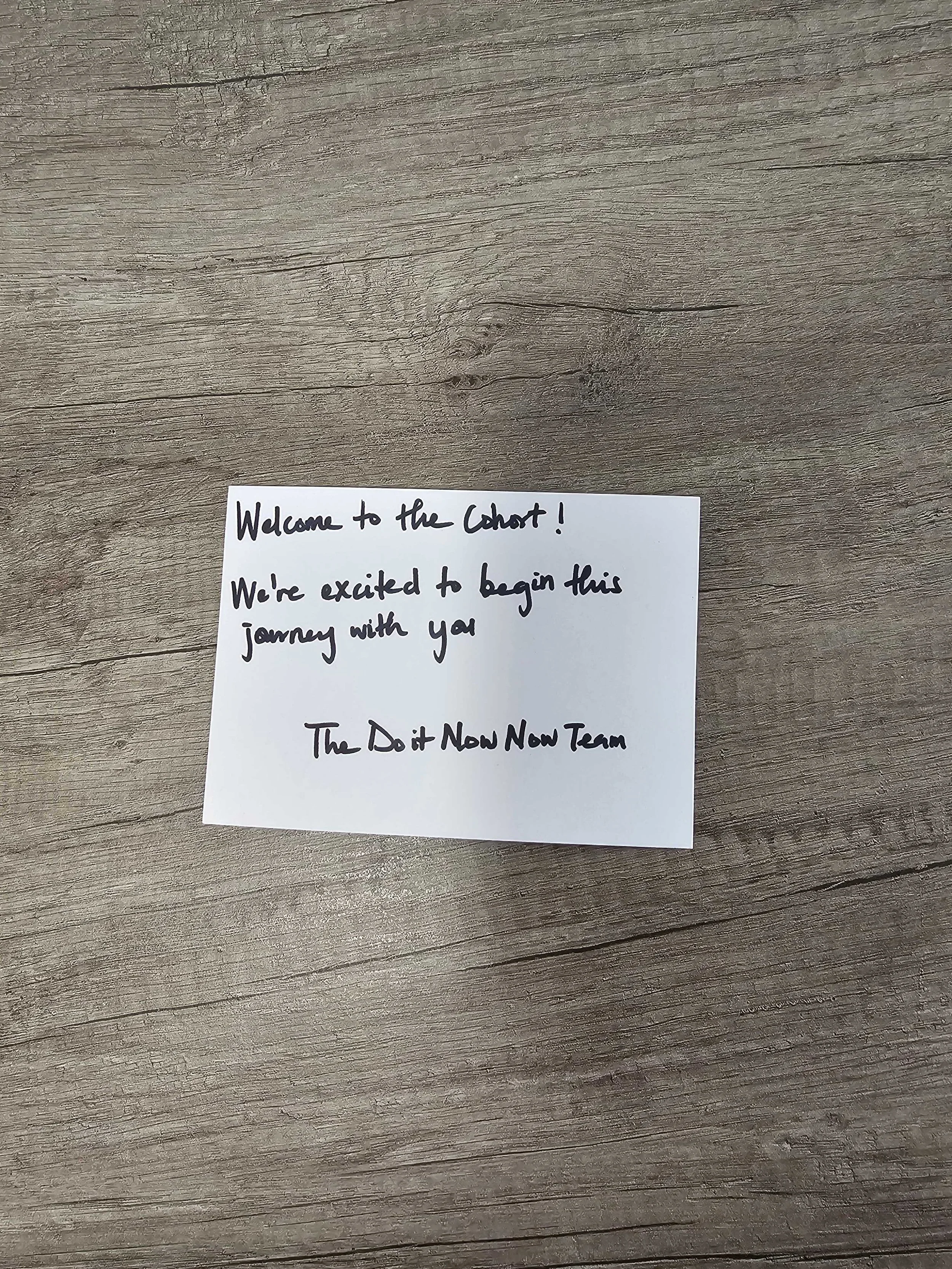
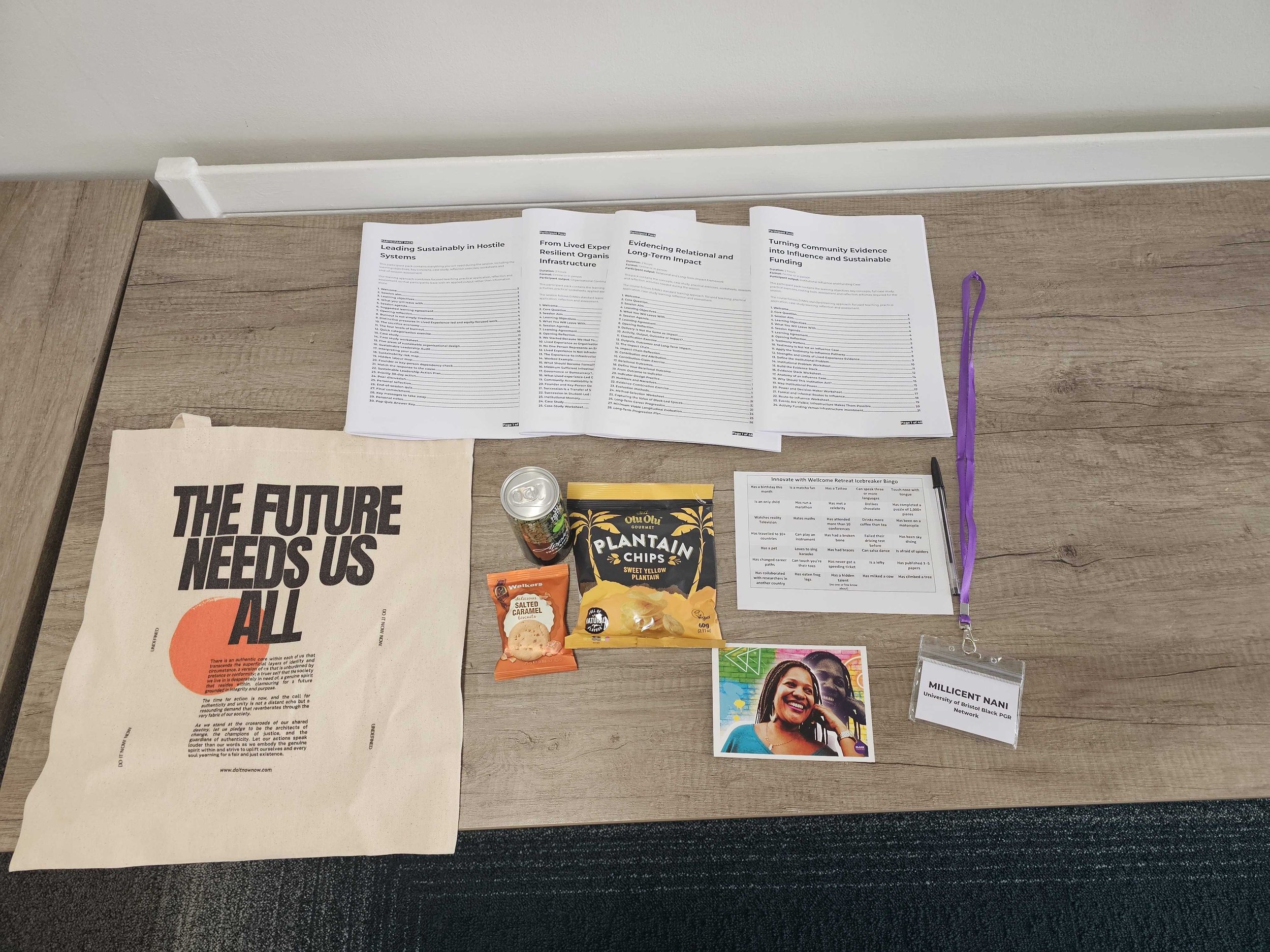
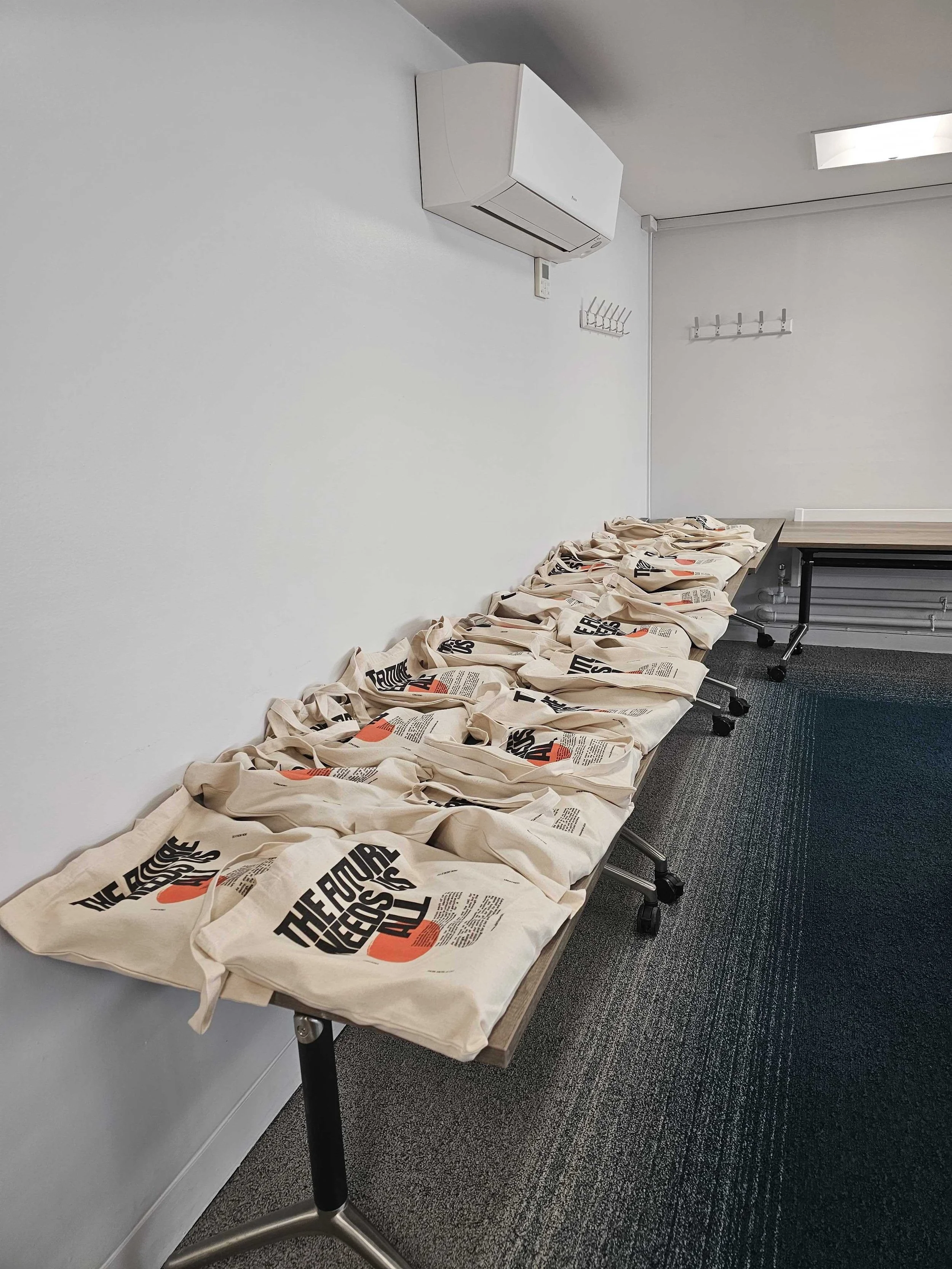
From lived experience to infrastructure
One of the themes we explored during the retreat was turning lived experience into resilient organisational infrastructure.
Lived experience can be an extraordinary source of insight. It can help leaders see problems institutions overlook, design support that feels relevant and create the trust that brings communities together.
But lived experience cannot be expected to carry an organisation on its own.
Across the Innovate Now cohort, we see initiatives that have achieved remarkable things through relationships, commitment and personal leadership. We also see many of the pressures that come with building in that way: programmes dependent on one or two people, important work delivered alongside full-time academic careers, founders using their own money, volunteer teams carrying substantial workloads, and vital knowledge held in people's heads rather than embedded in organisational systems.
Those challenges are not evidence that the work is weak.
In many cases, they are evidence of how much has been achieved without access to the infrastructure that better-resourced organisations often take for granted.
Our work through Innovate Now with Wellcome is therefore not about replacing lived experience with bureaucracy. It is about helping leaders translate the insight, relationships and trust they have built into structures that can protect and sustain their work.
That might mean clearer governance. Better financial systems. Stronger approaches to succession. More intentional ways of measuring impact. Paying people for work that has historically relied on goodwill. Or creating systems that mean an initiative can continue to serve its community even when its founder needs to rest.
Leading sustainably in hostile systems
We also spent time exploring Leading Sustainably in Hostile Systems.
The language matters.
It is easy to frame burnout as an individual leadership problem: become more resilient, manage your diary better, establish stronger boundaries.
But many of the leaders in this programme are supporting communities in environments where racism, underrepresentation, institutional resistance, isolation and unequal access to opportunity are not abstract ideas. They are conditions that their communities — and often the leaders themselves — are navigating.
Several organisations in the cohort exist precisely because Black researchers were experiencing isolation, burnout or exclusion and could not find adequate support within established structures.
So sustainable leadership cannot simply mean becoming better at tolerating unsustainable conditions.
During the retreat, we created space to think about what it means to lead important work without allowing that work to consume the person doing it: recognising patterns of over-responsibility, understanding the relationship between personal wellbeing and organisational resilience, and thinking differently about where responsibility should sit.
For organisations built through lived experience, that conversation is particularly important. When you care deeply about the problem you are trying to solve, the boundary between the work and yourself can become very thin.
Building infrastructure is part of changing that.
The people closest to the problem are already building solutions
There is another reason the retreat mattered.
The 24 initiatives in our first cohort represent a remarkably varied ecosystem of Black researcher support.
Some are creating mentoring and career-development opportunities. Some are building networks for Black PhD students and early-career researchers. Others are creating psychologically safer spaces for writing, reflection and peer support. There are initiatives supporting Black researchers in medicine, health data, biosciences, plant science and other fields, alongside broader academic networks supporting researchers across disciplines and career stages.
And this work is happening across the country.
While 10 initiatives in the cohort are based in London, the majority are based elsewhere in the UK, with organisations represented across places including West Yorkshire, Bedfordshire, Leicestershire, Scotland, Greater Manchester, Bristol and Nottinghamshire.
This matters because the infrastructure supporting Black researchers cannot exist only in a handful of institutions or cities.
It has to exist where Black researchers actually are.
What happens when the networks meet each other?
The retreat also gave people something that cannot be created through grant payments alone: each other.
Many of these leaders have spent years building communities for other people while having very few spaces in which they themselves can connect with peers who understand what that work requires.
Bringing the cohort together allowed relationships to form across disciplines, geographies and organisational stages.
An informal Black PhD network may have something to learn from an established researcher-support organisation with stronger governance. A national science network may be able to collaborate with a community rooted in one university. A leader thinking about succession may meet someone who has already begun that transition.
That peer infrastructure is intentional.
Over the life of Innovate Now with Wellcome, grantees will continue to have opportunities to learn together, build relationships and reduce the isolation that can come with leading this kind of work. The wider capacity-building programme combines organisational development with leadership development and wellbeing, ongoing tailored support, Critical Friends, annual gatherings and retreats.
Grantmaking should strengthen what remains after the grant
There is a question we return to often at Do it Now Now:
What is left when the money ends?
Of course, we want the grant to enable more mentoring, stronger programmes, better wellbeing support, new opportunities and more sustained support for Black researchers.
But that cannot be the only measure of success.
We also want the organisations delivering that work to be stronger because the funding existed.
We want a volunteer-led network to have systems that make leadership transition possible. We want a founder who has been carrying everything personally to have a team around them. We want community knowledge to become organisational knowledge. We want initiatives to understand their impact well enough to advocate for the resources their communities deserve. And we want leaders to be able to imagine continuing this work without sacrificing themselves to sustain it.
That is why the Innovate Now with Wellcome programme combines grant funding with long-term capacity building. The programme was designed around resilience, leadership, governance and sustainable service delivery, rather than treating organisational development as something separate from impact.
The September retreat was one of the first steps in that journey.
Building for the long term
There was something powerful about bringing together organisations that, in different ways, have all responded to the same underlying question:
What do Black researchers need in order to thrive?
Their answers are not identical. Sometimes the answer is mentoring. Sometimes it is a writing group. Sometimes it is culturally relevant wellbeing support. Sometimes it is access to opportunities, a conference, a professional network, practical career guidance or simply a space where someone no longer feels like the only Black researcher in the room.
What these initiatives demonstrate is that supporting Black researchers requires more than asking individuals to navigate existing systems more successfully. It also requires investment in the communities and infrastructure that surround them.
Our role through Innovate Now with Wellcome is to help ensure those communities have the resources, organisational strength and leadership support they need to endure.
The retreat was not the culmination of that work. It was the beginning.