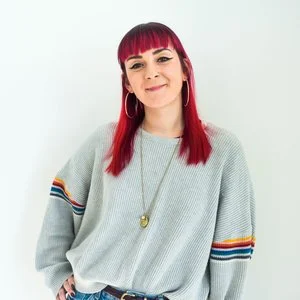
Tessa Clarke
Social Handle:
@dorcas.uk
About
DORCAS is a trauma-informed, community-rooted organisation based in Birmingham, supporting women, families and individuals from migrant, refugee and asylum-seeking communities. We are one of the few specialist, holistic FGM support services across the West Midlands, walking alongside women and girls affected by Female Genital Mutilation (FGM) with compassion, dignity and care.
FGM refers to procedures that intentionally alter or remove parts of the female genitalia for non-medical reasons. It is a serious human rights violation and a form of violence against women and girls, yet it remains a deeply hidden and taboo issue, often shrouded in silence, fear and stigma. Many women suffer alone, unable to speak out or access support.
Globally, over 230 million women and girls have been subjected to FGM, with significant prevalence in the UK and particularly in the West Midlands. Behind these figures are real women and children, many of whom have experienced trauma, displacement and loss, often seeking safety and protection for themselves and their daughters.
DORCAS is a small but incredibly passionate team with a big heart. We build trust where there is fear, create safe spaces where there has been silence, and stand alongside women at some of the most difficult moments in their lives. Through advocacy, safeguarding, health and wellbeing programmes, and trauma-informed support, we help individuals feel seen, heard and supported; empowering them to rebuild their lives with dignity, safety and hope.
What’s the most exciting part of being a DiNN One To Watch for you or your organisation?
Being recognised as a DiNN One to Watch is incredibly meaningful for DORCAS. As a small, grassroots organisation with a big heart, much of our work happens quietly supporting women and families who are often unseen, unheard and excluded. This recognition shines a light on the importance of that work and the communities we serve.
The most exciting part is the opportunity to amplify the voices of the women and girls we support, particularly those affected by FGM and multiple disadvantage. It gives us a platform to raise awareness of issues that are often hidden and taboo and to advocate for more equitable, trauma-informed support systems.
It also opens doors for learning, collaboration and growth, allowing us to connect with like-minded organisations and strengthen our impact. Most importantly, it gives us a chance to bring more professionals, partners and communities alongside us in the collective effort to end FGM and protect future generations of women and girls.